How Will Biophilic Interior Design Shape Commercial Spaces in 2026?
Biophilic interior design is transforming the way organizations create commercial environments that promote well-being, productivity, and meaningful connections. As we look ahead to 2026, nature-driven design is becoming a strategic imperative—not simply an aesthetic choice.
This biophilic vision board showcases the natural materials, plant elements, palettes, and sensory layers that reflect the future of commercial design, exhibiting how Ambius translates these emerging trends into spaces that feel intentional, restorative, and built for performance.
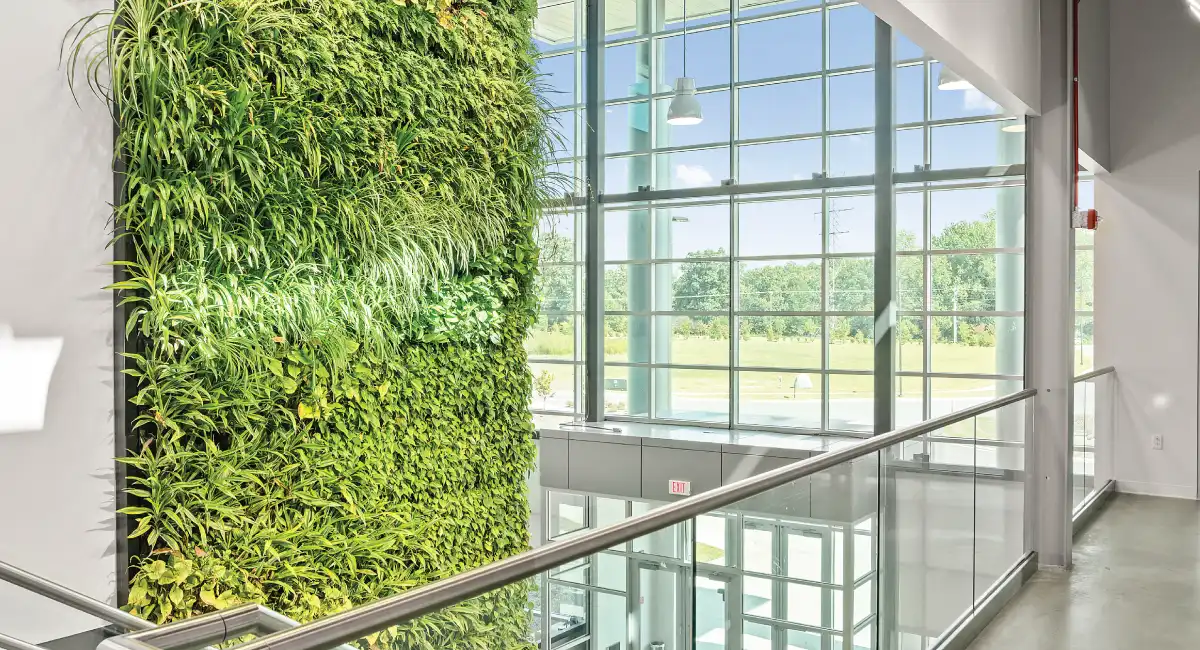
What Is Biophilic Interior Design and Why Does It Matter for 2026?
Biophilic interior design incorporates natural elements, such as plants, organic materials, natural light, preserved moss, and multisensory components, into built environments to reconnect people with nature. In a world where longer work hours and indoor lifestyles dominate, this design philosophy has become critical.
Research from the International Journal of Environmental Research and Public Health shows that natural elements indoors can reduce stress, support cognitive performance, and enhance overall well-being.
For brands committed to delivering elevated experiences, this means creating spaces that feel healthier, more energizing, and more in line with modern expectations for both employees and guests.
Ambius’ approach to biophilic interior design is informed by eight key elements: scattered and clustered vegetation, natural scents, dynamic light, refuge and shelter, natural materials, interior–exterior connection, water-inspired features, and elevated views. These principles guide Ambius designers as they intentionally craft spaces that restore balance, reduce stress, and create a more meaningful human connection to the built environment.
What biophilic interior design trends will shape commercial spaces in 2026?
Biophilic interior design in 2026 will emphasize organic materials, plant-forward environments, moss, and living green walls, as well as multisensory elements such as scent and light, all working together to create wellness-focused, experience-driven commercial spaces.
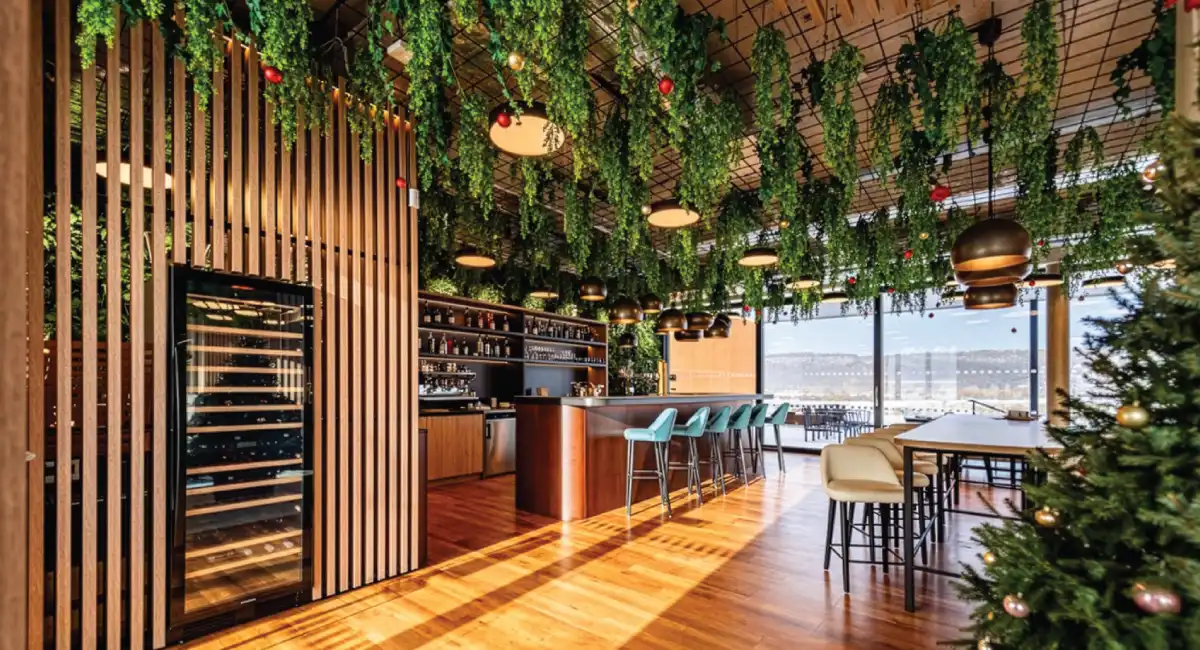
What Natural Materials Will Influence Biophilic Interiors in 2026?
Natural materials continue to anchor biophilic interior design, offering grounding texture and emotional resonance. In 2026, expect to see more:
- Raw, warm wood tones
- Natural stone and mineral finishes
- Clay, terracotta, and earth-based surfaces
- Organic textiles such as wool and cotton
- Preserved moss textures
These materials work together to bring warmth, authenticity, and sensory depth to commercial spaces—qualities that help people feel calm and connected.
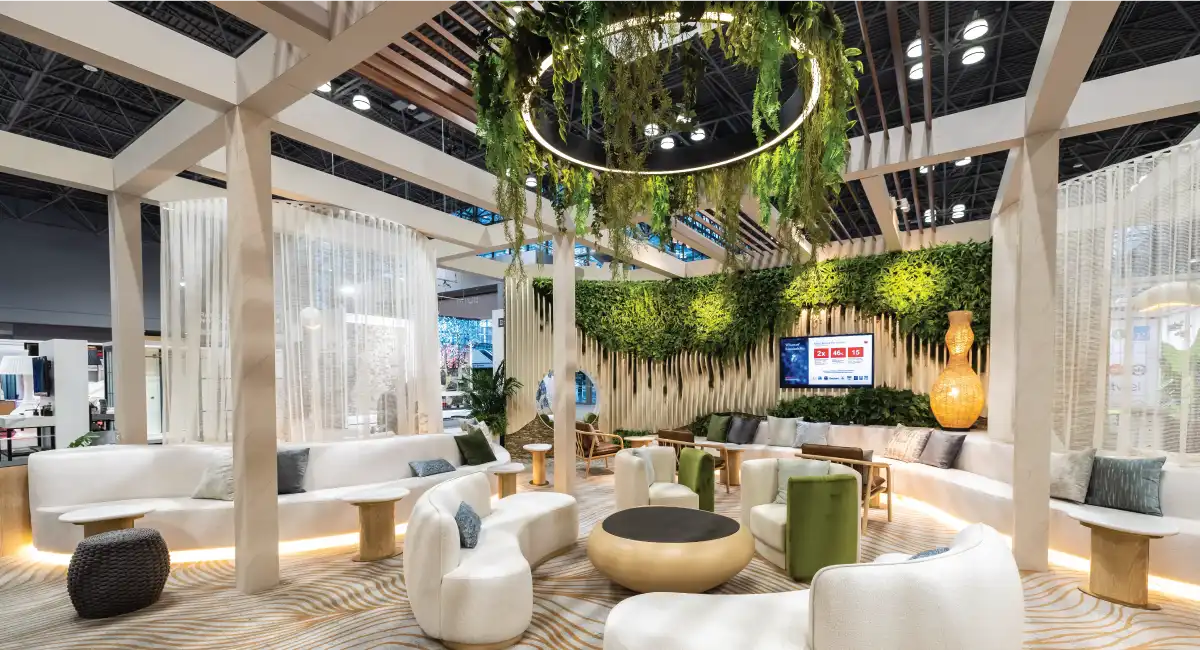
How Will the Pantone Color of the Year Shape Biophilic Vision Boards?
Each year, the Pantone Color of the Year influences design direction across industries. For 2026, PANTONE 11-4201 Cloud Dancer, a serene, airy white, aligns perfectly with biophilic interior design. The color and its quiet sophistication acts as a blank canvas, creating room for calm, creativity, and renewed focus in commercial environments.
Organizations can integrate Cloud Dancer through:
- Feature walls
- Floral palettes
- Planters and finishes
- Moss wall color blends
- Natural accents
Whether used as a subtle backdrop or a defining visual cue, Cloud Dancer modernizes a space while harmonizing with natural elements. It elevates biophilic features—green walls, preserved moss, natural textures, and organic materials—allowing them to become the focal points of the design.
For multi-site brands, Cloud Dancer’s adaptability supports visual consistency while still offering warmth, clarity, and creative flexibility.
And because sight remains one of the strongest sensory cues for emotional connection, thoughtful color strategy—including Pantone’s 2026 shade—is an essential component of effective biophilic interior design.
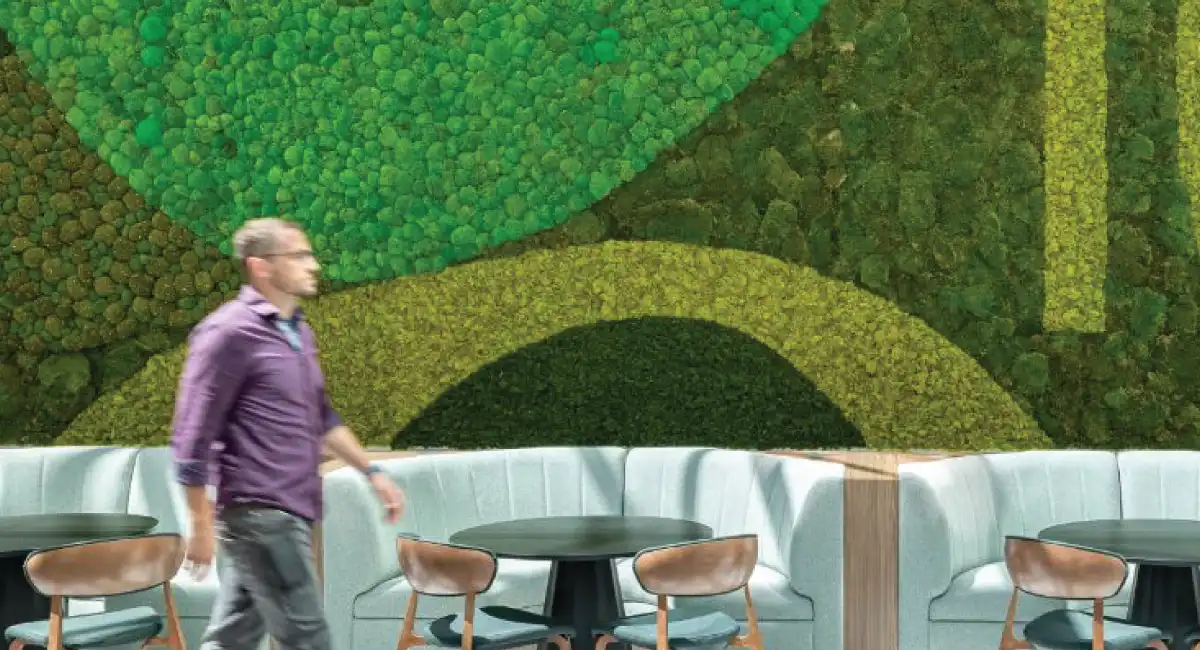
Which Plant and Green Wall Trends Will Lead in 2026?
In 2026, plant-forward design evolves from a simple décor element into a core component of workplace and guest experience strategy.
Organizations are prioritizing installations that improve well-being, enhance acoustics, and reinforce brand identity. Ambius plays a critical role in helping businesses select, design, and maintain these natural features at scale.
Insights from Ambius’ hospitality research show that guests spend significantly more time in spaces enriched with natural elements such as green walls, vegetation clusters, and natural patterns. These features not only enhance perceived comfort but also support brand experience and increase overall satisfaction.
Expect strong adoption of:
- Living green walls for architectural anchoring
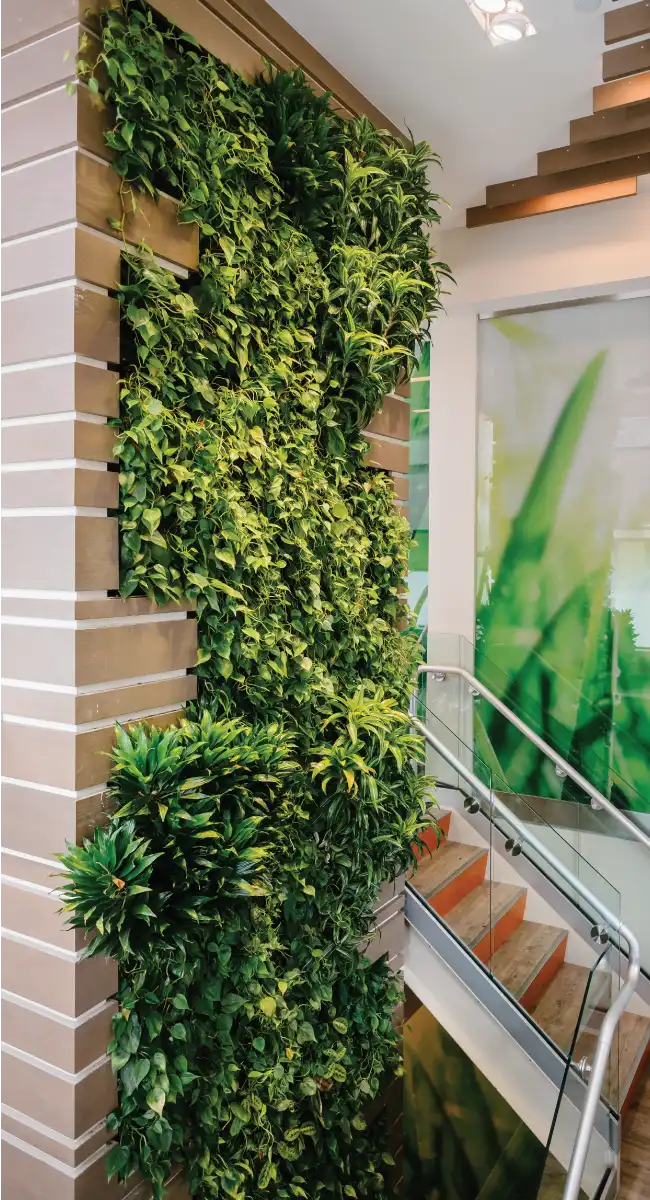
Living green walls serve as dramatic vertical ecosystems that purify air, soften acoustics, and transform large surfaces into living art. Ambius designs these systems to align with building infrastructure, lighting, and long-term maintenance requirements—ensuring they thrive in busy commercial environments.
- Moss walls for low-maintenance biophilic impact
Preserved moss walls give organizations the texture and organic form of nature without the need for irrigation, sunlight, or continuous plant care. Ambius customizes moss walls using various colors, species, and patterns to create immersive design moments in high-traffic lobbies, hallways, and meeting zones.
- Interior plant zoning to define how people use space.
Plants are increasingly used as spatial tools, supporting wayfinding, designating retreat areas, and separating collaboration zones from quiet workspaces. Ambius helps organizations create intentional plant zoning that supports both the functional needs of the workplace and the psychological comfort of the people who use it.
- Large sculptural plants as statement pieces
Oversized foliage and architectural plants such as Ficus lyrata, Strelitzia, and large-scale palms bring a sense of scale and sophistication. Ambius curates species based on lighting, airflow, and longevity, ensuring these showpiece plants elevate the environment rather than burdening facilities teams.
- Seasonal plant rotations for visual freshness
Dynamic, seasonal plant programs keep commercial interiors feeling current and engaging. Ambius manages these rotations, from design to installation to care, so environments always feel vibrant, intentional, and aligned with the brand’s evolving aesthetic.
How Will Light and Color Evolve in Biophilic Interior Design?
In 2026, lighting is increasingly centered on biological alignment and emotional comfort, two principles at the heart of biophilic interior design. Organizations are rethinking illumination as a wellness and performance tool rather than a purely functional element.
By aligning light, color, and natural elements, Ambius helps organizations create environments that not only look elevated but also support human comfort, emotional balance, and long-term performance.
What Role Will Florals and Botanical Design Play in 2026?
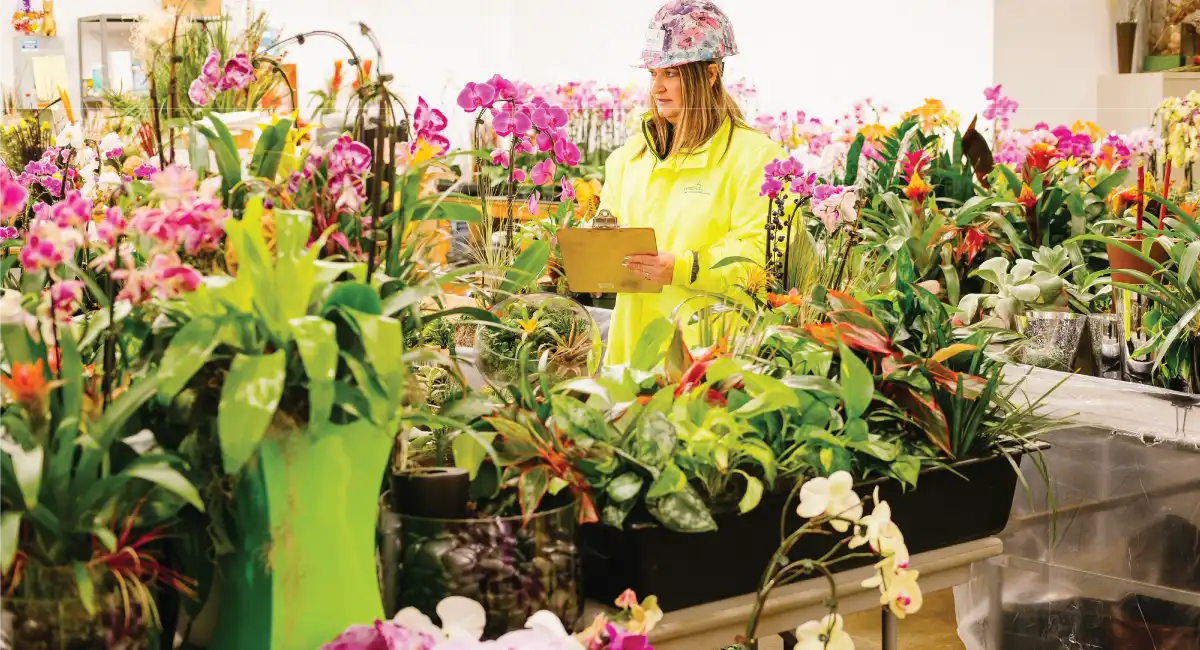
Commercial floral design in 2026 continues moving toward organic, nature-inspired forms that echo landscapes rather than traditional bouquets. The focus is on texture, movement, seasonality, and creating emotional resonance the moment someone enters a space.
Brands can expect to see:
- Seasonal floral rotations
Rotating blooms throughout the year brings freshness, color, and sensory energy into a space. Ambius manages these rotations end-to-end: selecting long-lasting blooms, coordinating palettes, and ensuring every display arrives in peak condition.
- Wild, textured arrangements
Loose, natural forms that mimic meadows, woodlands, or coastal landscapes are replacing overly structured designs. Ambius designers use a variety of blooms, textures, and botanicals to create arrangements that feel alive, effortless, and connected to the outdoors.
- Earthy and mineral color palettes
Expect 2026 florals to incorporate botanical greens, softened pinks, clay tones, ochres, whites, and mineral neutrals. Ambius selects blooms not only for their beauty, but for how they interact with light, brand colors, and the overall sensory story of the space.
Research from Rutgers University shows that flowers increase happiness, reduce anxiety, and promote social connection, making them critical strategic tools for hospitality and workplace environments.
Why Is Ambient Scenting Now Essential in Biophilic Interiors?
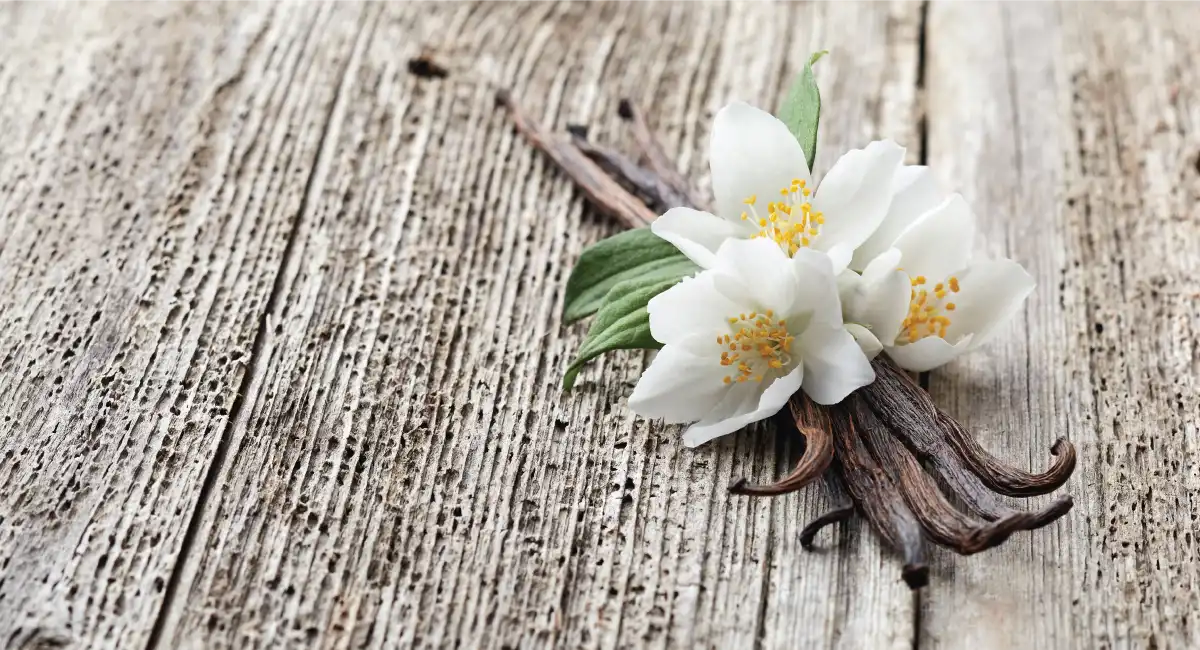
In biophilic interior design, spaces should engage multiple senses, not only sight, for maximum impact. Scent is one of the fastest pathways to emotional response, and when aligned with natural elements, it reinforces calm, clarity, and comfort.
Research from Ambius shows that scent is one of the strongest emotional triggers in commercial environments: nearly half of guests say a welcoming scent increases their likelihood of returning, and over 90% report a positive emotional impact. This means scent is an essential layer in any multisensory biophilic design strategy.
Leading fragrance directions for 2026 include:
- Wood-driven aromas
- Herbal blends
- Clean citrus notes
- Botanical floral profiles
- Fresh green accords
Ambient scenting shapes a person’s perception the moment they enter a space. Ambius ensures that fragrances are expertly selected, precisely diffused, and consistent across your brand.
How Can Ambius Help You Bring Your 2026 Biophilic Vision Board to Life?
Organizations are increasingly recognizing that biophilic interior design requires a strategic approach, expertise, and thoughtful execution.
As the leader in creating multisensory biophilic environments, Ambius integrates elements of sight, scent, sound, texture, and natural patterning to create spaces that deliver emotional connection from the moment someone enters.
This holistic approach ensures biophilic design becomes both a wellness strategy and a brand differentiator in commercial spaces.
To bring your biophilic vision to life, Ambius provides a fully integrated portfolio of services:
- Living green walls
- Moss walls
- Commercial plant design
- Floral rotations
- Ambient scenting
- Natural material integration
- Multi-site consistency
With Ambius, your 2026 biophilic vision becomes a curated, elevated, turnkey reality, designed to enhance well-being, improve performance, and strengthen your brand.
Start designing your 2026 biophilic vision with Ambius.
Key Takeaways
- Biophilic interior design will shape the evolution of commercial spaces in 2026.
- Natural materials, green walls, florals, scent, and light will guide design direction.
- The Pantone Color of the Year will influence palettes and emotional tone.
- Plant-forward environments support wellness, productivity, and brand differentiation.
- Ambius delivers turnkey biophilic solutions for your commercial spaces that bring your vision to life with expertise and care.