What Is the Psychology of Biophilia and Why Do Humans Feel Better in Nature-Infused Spaces?
Biophilic interior design is rooted in human psychology, not just aesthetics. By understanding how people are biologically wired to respond to nature, businesses can create environments that shape perceptions, improve well-being, and foster more meaningful experiences.
Biophilic interior design is not simply about adding plants to a space. It is about how people instinctively respond to their environment. At its core, biophilia reflects a behavioral and psychological connection to nature that influences how individuals feel, think, and engage within a space.
As modern environments become increasingly built and technology-driven, the absence of natural elements can create spaces that feel disconnected or incomplete. For organizations, this can directly influence how spaces are experienced and remembered. In contrast, thoughtfully designed, nature-infused environments—an approach central to Ambius—restore balance while supporting both emotional well-being and overall perception.
Why Do Humans Feel Better in Biophilic Interior Design Spaces?
Humans feel better in biophilic interior design spaces because they are naturally wired to respond to nature. Elements like plants, organic textures, and natural patterns reduce stress, improve mood, and create a sense of comfort—resulting in more positive experiences for employees, customers, and visitors.
What Is the Psychology Behind Biophilia?
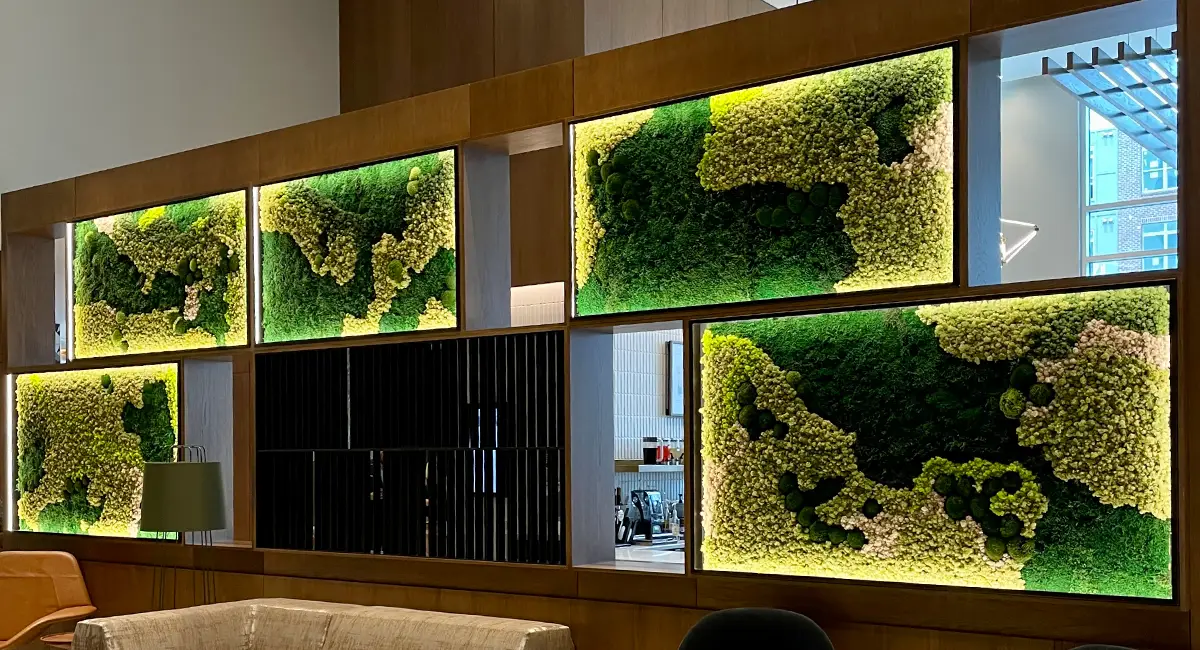
Biophilia is the humanity’s innate need to connect with nature. This type of connection is not just conceptual but is also biological.
In business and commercial environments, this translates to spaces that feel more intuitive, comfortable, and engaging, shaping perception, behavior, and overall experience.
In fact, research shows that multisensory, nature-inspired environments can foster deeper emotional connections and shapes how employees, customers, and visitors experience, enjoy, and remember a space.
When those elements are absent, environments can feel:
- Visually harsh
- Mentally fatiguing
- Emotionally neutral or disengaging
Biophilic interior design restores this connection by reintroducing natural cues into built environments, creating spaces that feel more intuitive and comfortable while strengthening the overall experience, an approach central to Ambius.
Why Do Nature-Infused Spaces Change How People Feel and Behave?
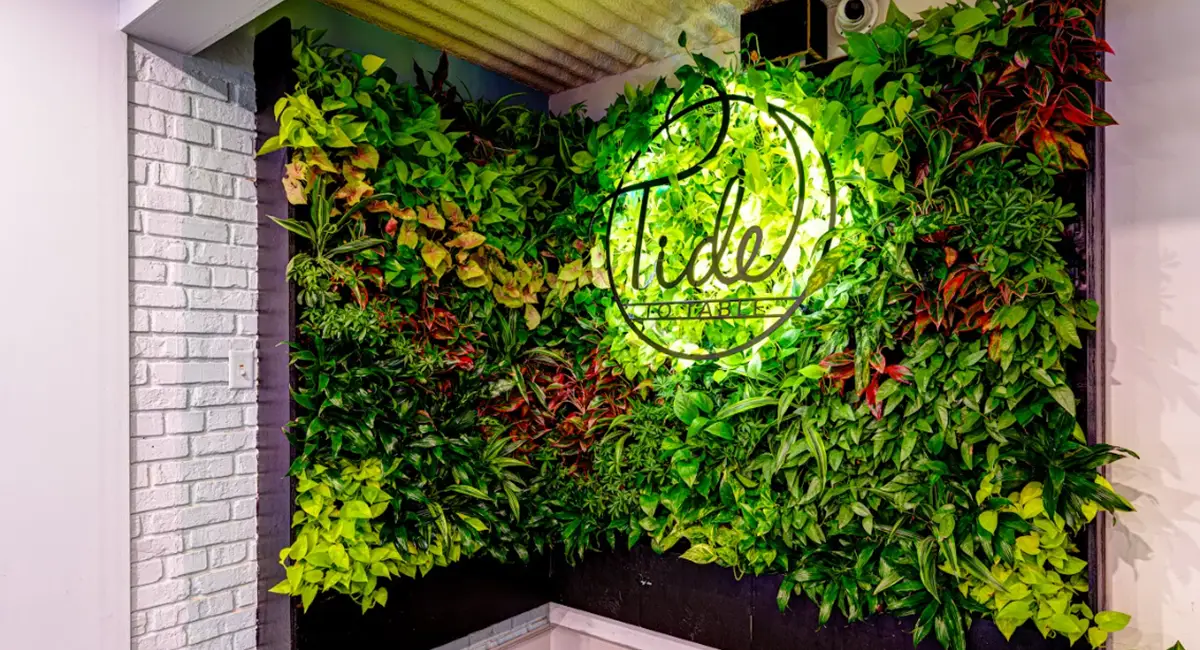
The impact of biophilic interior design is immediate and often subconscious.
Natural elements influence how these commercial environments are experienced, shaping perception, engagement, and comfort in several key ways:
- Emotional response: Spaces feel calmer, more welcoming, and less sterile and stressful
- Cognitive function: Reduced mental fatigue supports clarity, focus, and productivity
- Behavior: People are more likely to engage, stay longer, and respond positively to their surroundings
Research shows that enriched environments can improve well-being, engagement, and overall performance outcomes.
Through thoughtfully designed, turnkey solutions such as interior landscaping and living green walls, Ambius helps organizations bring these benefits to life in meaningful, measurable ways.
How Does Biophilic Interior Design Influence Perception of a Space?
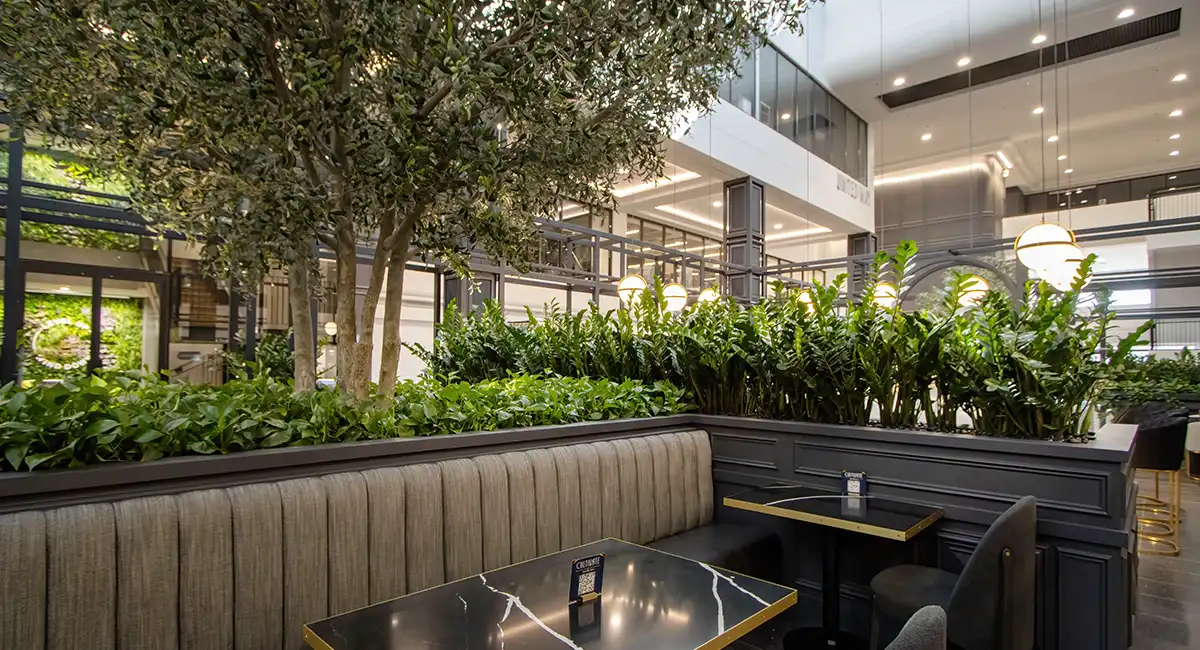
Biophilic interior design shapes user perception at a foundational level. From the moment someone enters a space, they begin forming impressions based on the environmental cues. Nature-infused environments signal a higher level of care, intention, and overall quality by an organization or brand.
These subtle cues communicate:
- Attention to detail
- Investment in experience
- A more elevated, thoughtfully designed environment
Together, they influence how people interpret a space—and by extension, the organization behind it.
Through strategically designed interior landscaping, green walls, and multi-sensory elements, Ambius helps businesses create environments that not only support well-being but also elevate perception at every touchpoint.
Why Are Sterile Environments Less Effective?
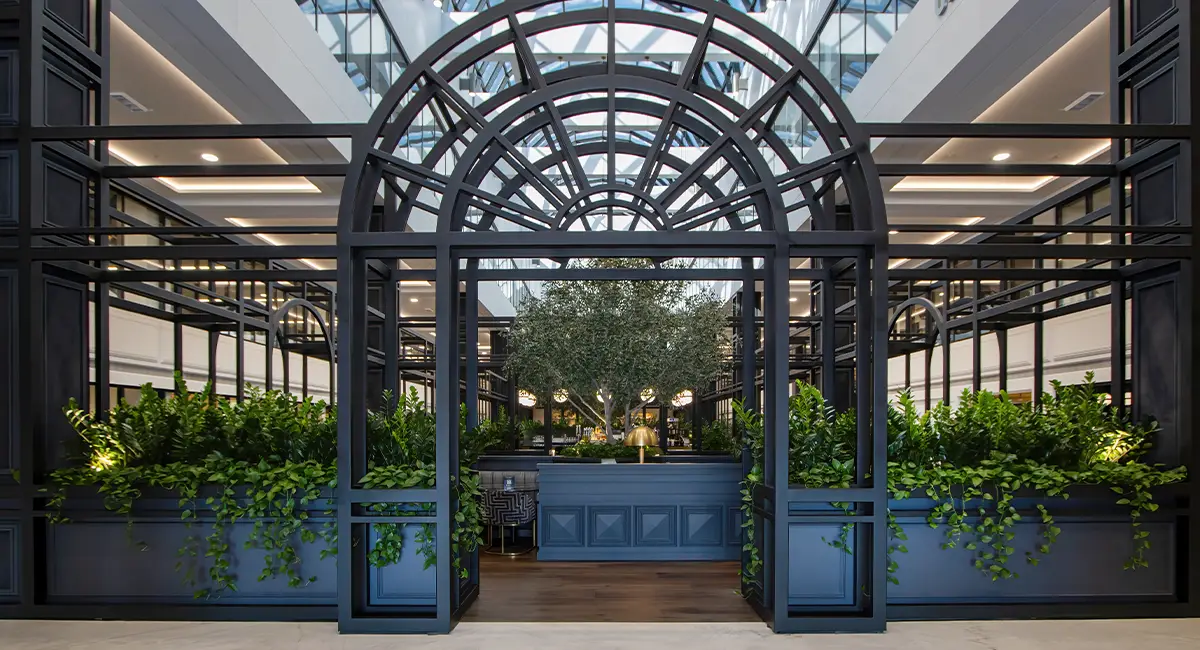
Environments that lack natural elements often feel incomplete, even when they appear clean or modern. And spaces that are overly artificial can create subtle friction in how people experience and move through them, impacting how businesses are perceived.
They may:
- Increase stress and fatigue
- Reduce engagement and overall comfort
- Feel less memorable or inviting
This reflects a broader understanding that people respond negatively to environments that lack enrichment or sensory depth.
Biophilic interior design introduces balance by reintroducing natural elements, creating spaces that feel both functional and intuitively aligned with how people prefer to experience them.
How Can Businesses Apply Biophilic Interior Design Strategically?
Effective biophilic interior design considers the full experience of a space and the five senses, rather than relying on individual elements in isolation.
To achieve this, businesses should focus on integrating complementary elements that work together to shape the overall environment, including:
Layer Natural Elements Throughout the Space: Combining greenery, natural materials, and spatial design creates a cohesive environment that feels intentional and balanced.
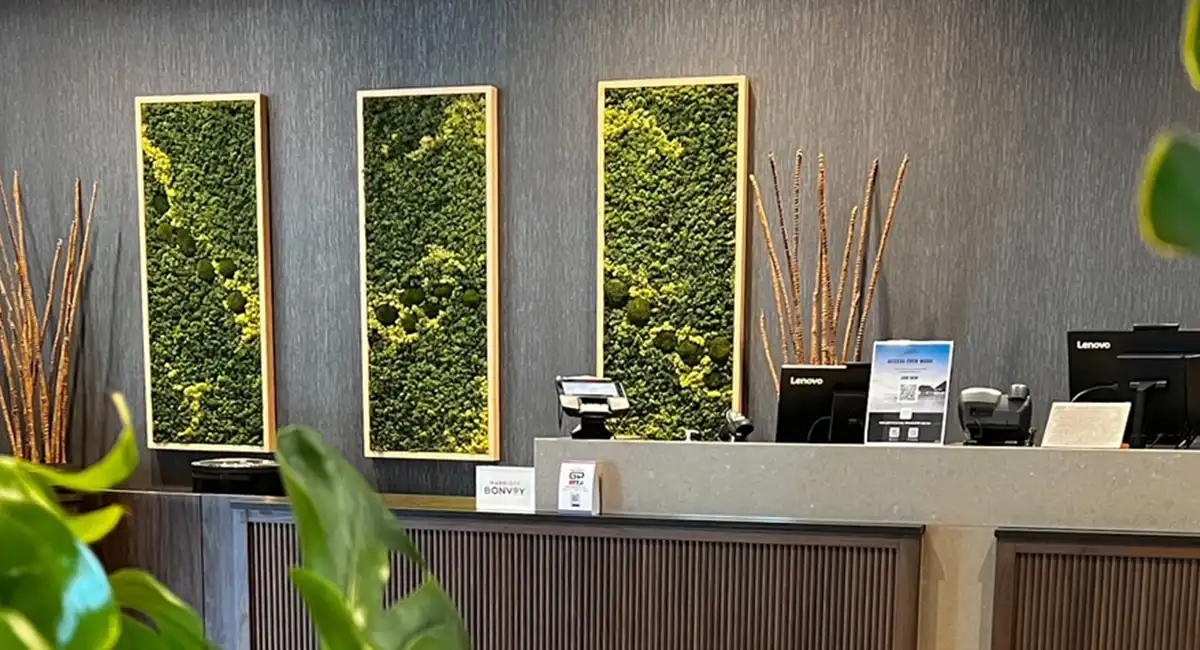
Create Visual Anchors: Features such as living green walls or large-scale plant installations serve as focal points that define the space and draw attention. Explore living green walls to create high-impact environments.
Incorporate Multi-Sensory Experiences: Designing beyond visual elements—such as incorporating scent—adds depth to the environment and enhances how a space is experienced and remembered.
Ensure Consistency Across Environments: Consistency across locations and touchpoints reinforces brand identity and ensures a seamless, elevated experience. Learn how interior landscaping services support cohesive environments.
Key Takeaways
- Biophilic interior design is rooted in human psychology and our biological responses to nature.
- Nature-infused environments influence mood, behavior, and perception.
- Environmental design directly impacts how spaces are experienced and remembered.
- Sterile environments can reduce engagement and increase fatigue.
- Strategic, professionally managed design delivers consistent and measurable value.
Bringing Biophilic Interior Design Into Your Commercial Space
Biophilic interior design in commercial spaces is most effective when it is intentional, cohesive, and professionally managed.
Ambius partners with organizations to design, install, and maintain environments that integrate interior landscaping, living green walls, moss walls, scenting, and floral programs. Our full-service approach creates spaces that support well-being while enhancing perception and experience at every touchpoint.
Ready to bring the psychology of biophilia into your space? Connect with the Ambius team to start designing a more balanced, nature-inspired environment.