What Should Businesses Consider Before Starting an Interior Landscaping Project?
Article Summary
- Successful interior landscaping starts with understanding your space, design goals, brand, and the experience you want to create.
- Lighting, layout, architecture, and environmental conditions can help determine which landscaping solutions are best suited to the space.
- Living plants, green walls, preserved moss walls, artificial plants, and floral programs can be combined to create a cohesive, nature-inspired environment.
- Planning for installation and ongoing care from the beginning can help protect your investment and keep the design looking its best over time.
- A full-service interior landscaping partner can simplify the process by bringing design, installation, and ongoing care together.
Interior landscaping brings the beauty and benefits of nature into commercial spaces through thoughtful plant design. From welcoming lobbies and reception areas to workplaces and shared spaces, plants can add color, texture, and visual interest while helping create environments that feel more inviting and connected to nature.
A successful plantscape, however, requires more than selecting plants that look good. Architectural integration, lighting, floor plan, plant selection and placement, design goals, and ongoing care all play a role in creating an interior landscape that complements your space and continues to look its best over time.
Here’s what to consider when planning an interior landscaping project.
What Is Interior Landscaping?
Interior landscaping is the professional design, installation, and care of plants and greenery within indoor commercial spaces. A successful interior landscaping plan considers the goals of the space, available light, plant selection, containers, placement, and ongoing maintenance to create a cohesive design that can be sustained over time.
What Do You Want Your Interior Landscaping to Accomplish?
Start by defining the purpose behind the project.
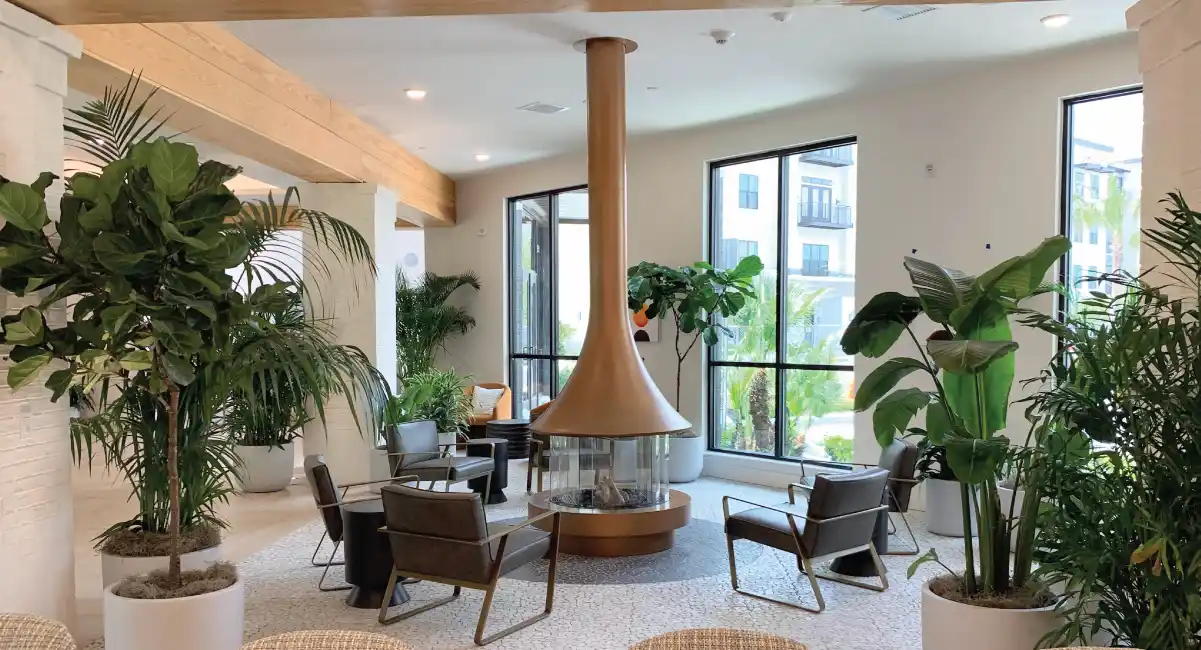
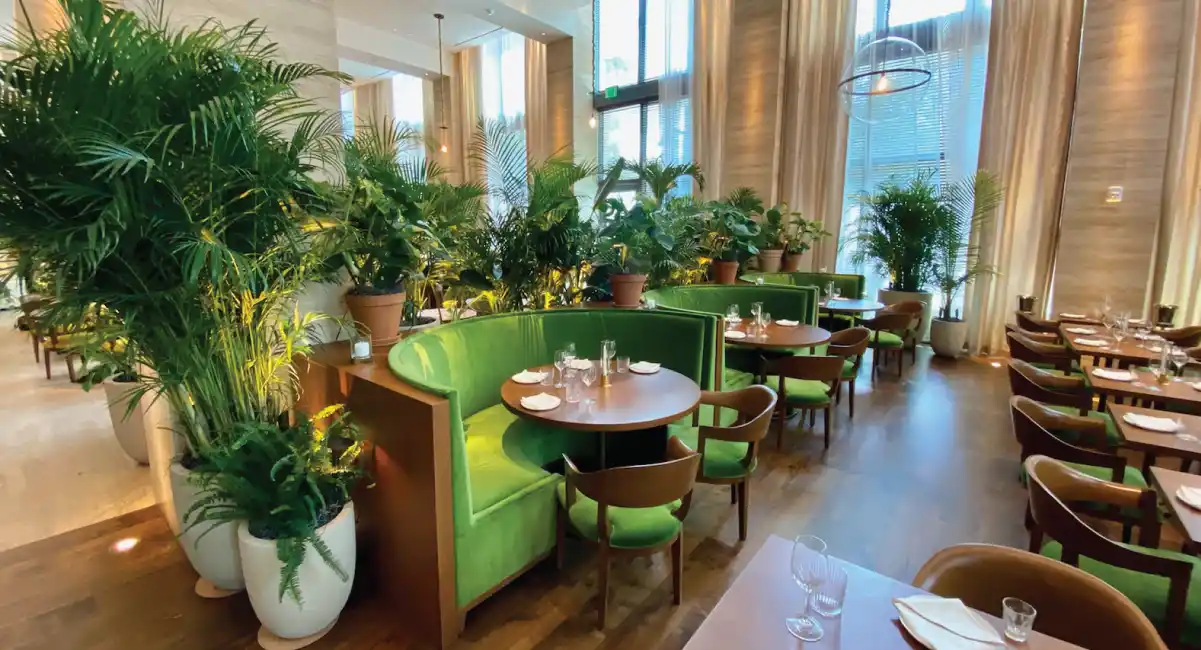
Consider how greenery could support both the look and function of the space. Plants can help create focal points, soften transitions, define areas within an open floor plan, and complement surrounding architecture and décor. They can also help strengthen the connection to nature that sits at the heart of biophilic interior design, creating environments that feel more welcoming and engaging for the people who use them.
When considering your interior landscaping, ask:
- Which areas would benefit most from greenery?
- How should employees, customers, or visitors feel in the space?
- Does the design need to reinforce a particular brand aesthetic?
- Could plants help define seating, gathering, or work areas?
- Are there blank or underused spaces that could benefit from a more intentional design?
Establishing these goals gives designers a stronger foundation for creating an interior landscaping solution tailored to the environment.
How Should the Existing Space Influence the Design?
Interior landscaping should be designed for the space rather than added to it as an afterthought.
Lighting is especially important. A location that appears bright to people may not necessarily provide the type or amount of light a particular plant needs. Humidity, temperature, available floor space, foot traffic, and proximity to windows can also affect which plants and placements are appropriate.
An experienced interior landscaping partner can help evaluate your space and recommend plants that are well suited to its lighting, temperature, humidity, and available space. Where conditions make living plants less practical, preserved or artificial greenery can provide another option.
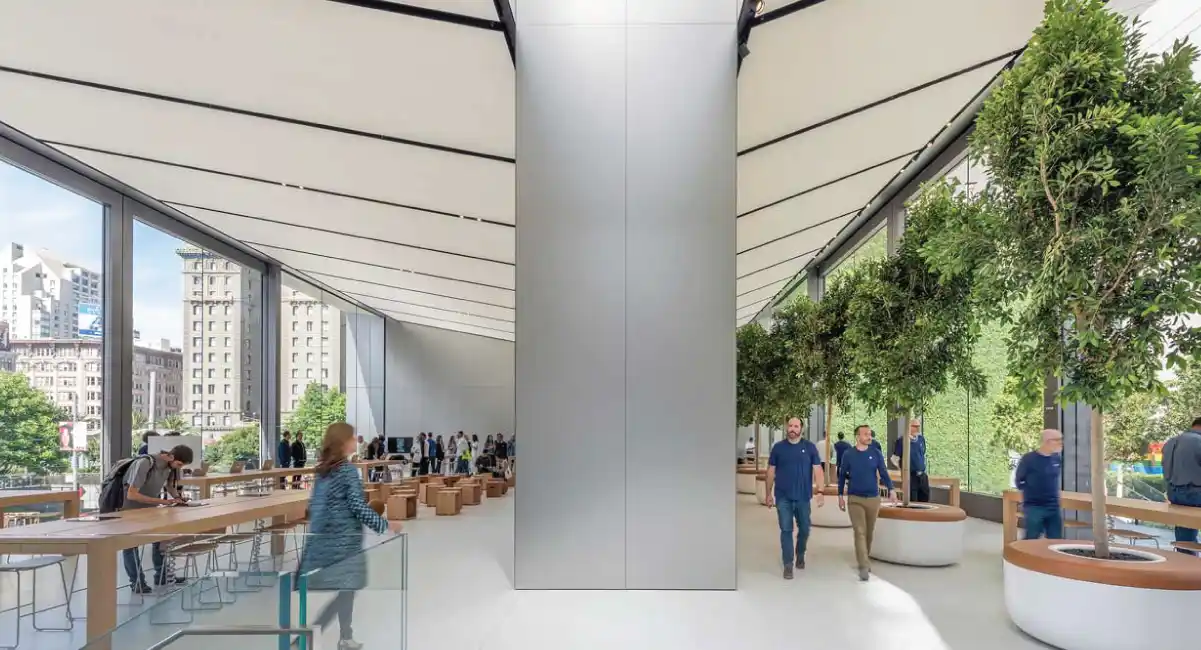
Scale matters, too. A large lobby or atrium may call for taller plants or statement installations, while smaller workspaces may benefit from tabletop plants, planters, or greenery that helps define areas without taking up valuable space.
How Do You Choose the Right Interior Landscaping Solutions for Your Space?
Plant selection is only one part of the overall design. A thoughtful interior landscaping plan considers how different nature-inspired elements can work together to complement your brand, architecture, and the experience you want to create.
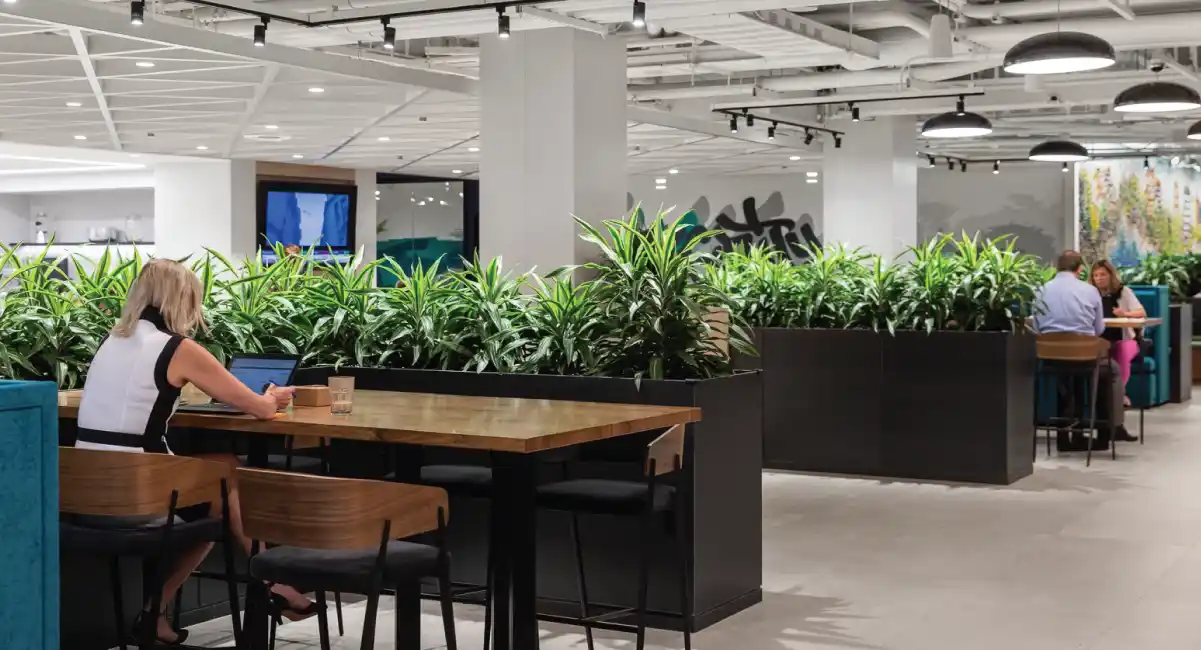
Depending on the space and project goals, the design might include traditional floor and tabletop plants, living and artificial vertical gardens, preserved moss walls, artificial plants, blooming programs, or fresh floral rotations.
Each option brings different design possibilities and practical considerations. For example, living green walls require specific lighting, irrigation, and ongoing care, while preserved moss walls require minimal maintenance and no natural light.
Ambius works with businesses to determine which solutions best fit their space, vision, and budget. By considering the surrounding décor, environmental conditions, and desired atmosphere, Ambius designers can bring multiple elements together into a cohesive interior landscape that feels intentional and tailored to the space.
Containers, plant placement, and scale also help bring the overall design together. Colors, materials, textures, and plant varieties can be selected to complement existing furnishings and architectural elements rather than compete with them.
When exploring your options, consider:
- Your brand colors, style, and overall design vision.
- Existing furniture, finishes, and architectural features.
- Lighting, available space, and other environmental conditions.
- Opportunities for living green walls or moss walls to create a focal point.
- Areas where artificial plants may offer greater design flexibility.
- Whether blooming plants or fresh floral rotations could introduce seasonal color and variety.
- The level of ongoing care required for each element.
The right solution may not be a single type of greenery. Living plants can bring natural variation and a stronger connection to nature, while artificial plants can extend greenery into areas where lighting or other environmental conditions make living plants less practical. Blooming programs, floral rotations, living green walls, and preserved moss can add additional layers of color, texture, and visual interest.
Considering these elements together allows businesses to create a cohesive interior landscape tailored to the needs of each area.
Why Should Ongoing Care Be Planned From the Beginning?
Ongoing care should be part of an interior landscaping strategy from day one, not something addressed after installation.
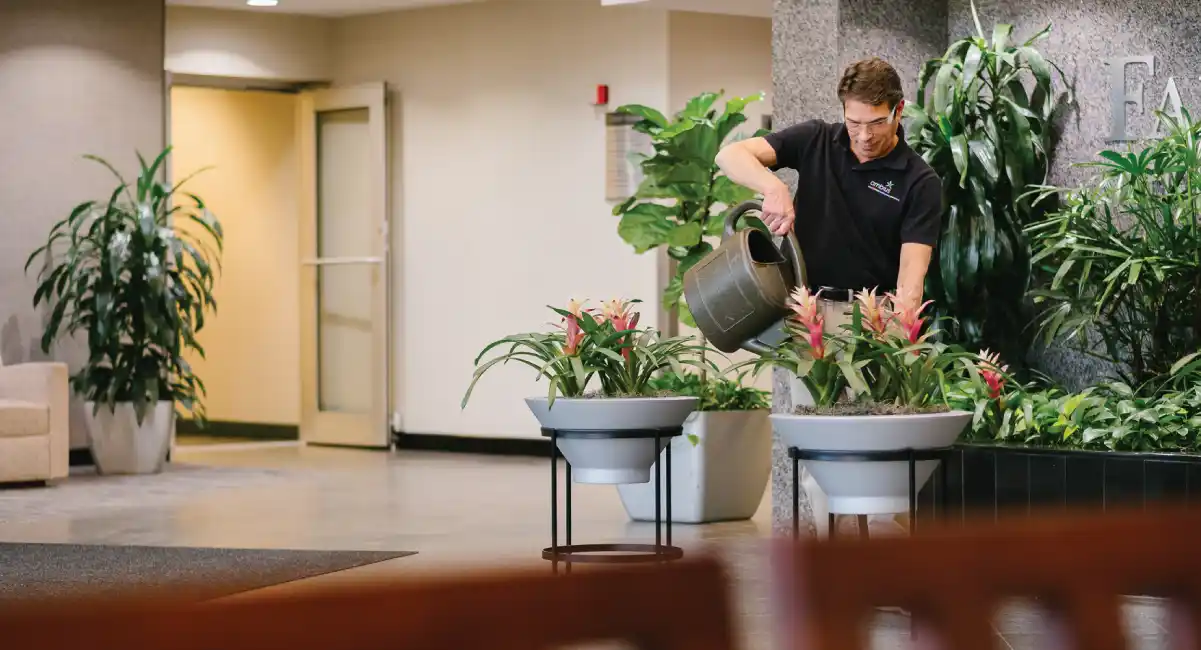
Different elements have different long-term needs. Living plants require regular horticultural care, while living green walls also depend on properly maintained irrigation and drainage systems. Other solutions, such as preserved moss walls and artificial plants, have different maintenance considerations.
Planning for those needs early helps businesses understand what will be required to keep the overall design looking its best over time.
With professional plant care, businesses can also leave routine maintenance to experienced Plant Technicians rather than adding another responsibility to employees or facility teams.
When planning your project, ask:
- What ongoing care will each element require?
- Who will be responsible for routine plant care and maintenance?
- How frequently will plants and systems be inspected and serviced?
- How will seasonal or environmental changes be addressed?
- What happens when a living plant needs to be replaced?
Thinking beyond installation helps protect your investment while keeping the space fresh, polished, and aligned with the original design.
What Should You Look for in an Interior Landscaping Partner?
Look for a partner that can consider the entire lifecycle of the project.
That includes understanding your goals, evaluating the environment, developing the design, selecting the right plants and other landscaping elements, coordinating installation, and planning for ongoing care.
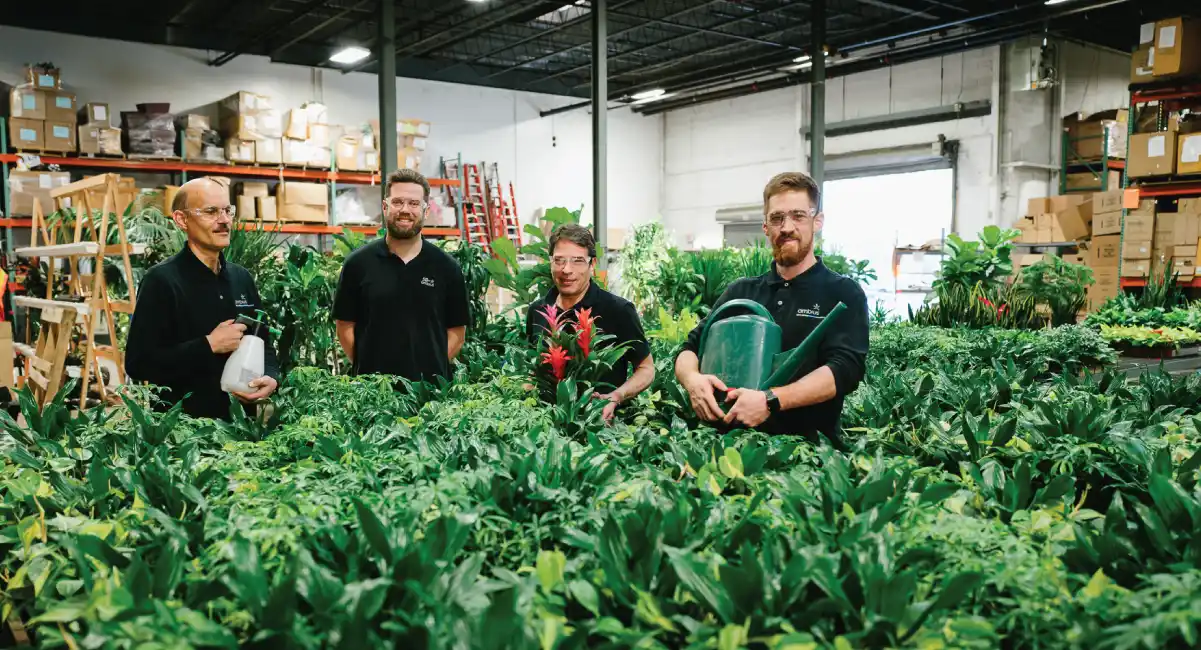
A turnkey approach can make the process easier for facility teams and other stakeholders by bringing design, installation, and ongoing care together through one experienced partner.
With each stage managed as part of the same plan, businesses can create and maintain their interior landscape with less day-to-day involvement.
Planning for professional plant maintenance from the beginning can also help businesses protect their investment and keep living plants looking their best over time.
For more specialized installations, additional technical planning may also be necessary. For example, Ambius living green wall projects can include feasibility reviews, daylight analysis, specifications, budgeting, irrigation requirements, installation, and ongoing maintenance.
Key Takeaways
- Successful interior landscaping starts with clear goals for how a commercial space should look, feel, and function.
- Lighting, layout, architecture, traffic patterns, and existing décor can help determine which landscaping solutions are best suited to the space.
- Interior landscaping can include living plants, living green walls, preserved moss walls, artificial plants, and blooming or floral programs.
- Planning for ongoing care from the beginning helps protect your investment and keep living elements looking their best.
- A full-service interior landscaping partner can bring design, installation, and ongoing care together for a more seamless, cohesive approach.
How Can You Get Started With Interior Landscaping?
The best place to start is with a clear vision for your space.
Consider which areas you want to enhance, how employees, customers, tenants, and visitors use them, and how you want people to feel when they enter the environment. From there, the right combination of plants and nature-inspired design elements can be selected based on your space, brand, goals, and budget.
Ambius works with businesses, designers, and architects to bring those ideas to life through customized interior landscaping solutions. From initial consultation and design to installation and ongoing care, our team provides a turnkey approach that makes creating and maintaining an engaging, nature-inspired environment feel effortless.
Ready to reimagine your space? Contact Ambius to start planning an interior landscaping project tailored to your environment.