Botany gone bad: The horrors of poison hemlock
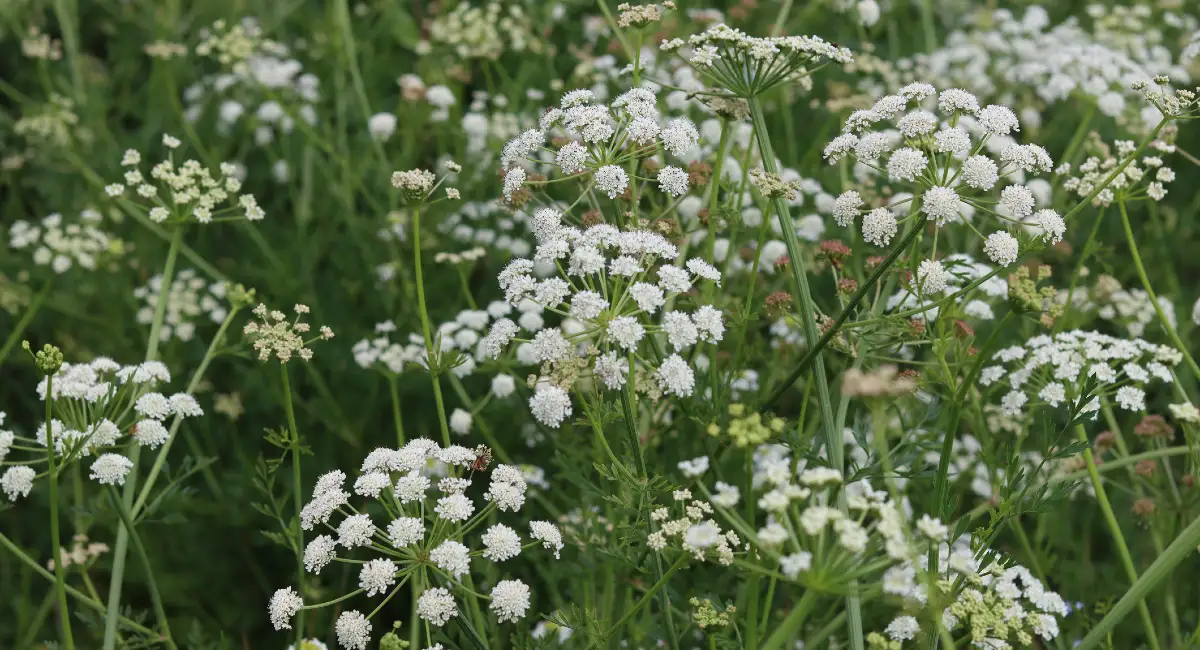
The poison hemlock (Conium maculatum) is a highly toxic plant belonging to the carrot family. Despite its delicate, fern-like leaves and small white flowers, it can pose serious risks to humans and animals if ingested.
Originally from Europe, poison hemlock has spread widely across the United States and can be found in various environments, including roadsides and fields. It thrives particularly well in regions with moist soils, making it common throughout the Midwest, West Coast, and Northeast. To the untrained eye, the poison hemlock may look like just a beautiful flower, but be very careful, as this toxic plant’s beauty is deceiving.
Poison hemlock’s horrifying history
Poison hemlock has a notorious and deadly history, most famously linked to the execution of the philosopher Socrates in ancient Greece. It was used as a state-sanctioned method of execution, with Socrates forced to drink a lethal dose of hemlock juice after being sentenced to death. Poison hemlock was often associated with death sentences in Greece, marking it as a symbol of political and judicial power.
Throughout history, poison hemlock has also been used for wicked purposes, including as a poison for assassination. Its deceptive resemblance to harmless plants in the carrot family has also led to accidental poisonings. Some of its common nicknames include “deadly hemlock” and “spotted parsley.”
The poison in poison hemlock
Poison hemlock is highly toxic due to its content of alkaloids, particularly coniine and gamma-coniceine. These alkaloids can interfere with the nervous system by disrupting communication between nerves and muscles. Every part of the plant is toxic, with the highest concentration of toxins in the seeds and roots. Even small amounts of these compounds can cause vomiting, muscle weakness, and tremors.
Handling poison hemlock without proper protection can allow the plant’s toxins to be absorbed through the skin or be inhaled. Because of this, wearing protective clothing and gloves is crucial when removing it. It’s also recommended to avoid burning the plant, as the smoke can carry toxins.
Historically, poison hemlock has been used in traditional medicine in very small, controlled doses to treat conditions like muscle spasms and pain. Still, its extreme toxicity makes its use highly dangerous.
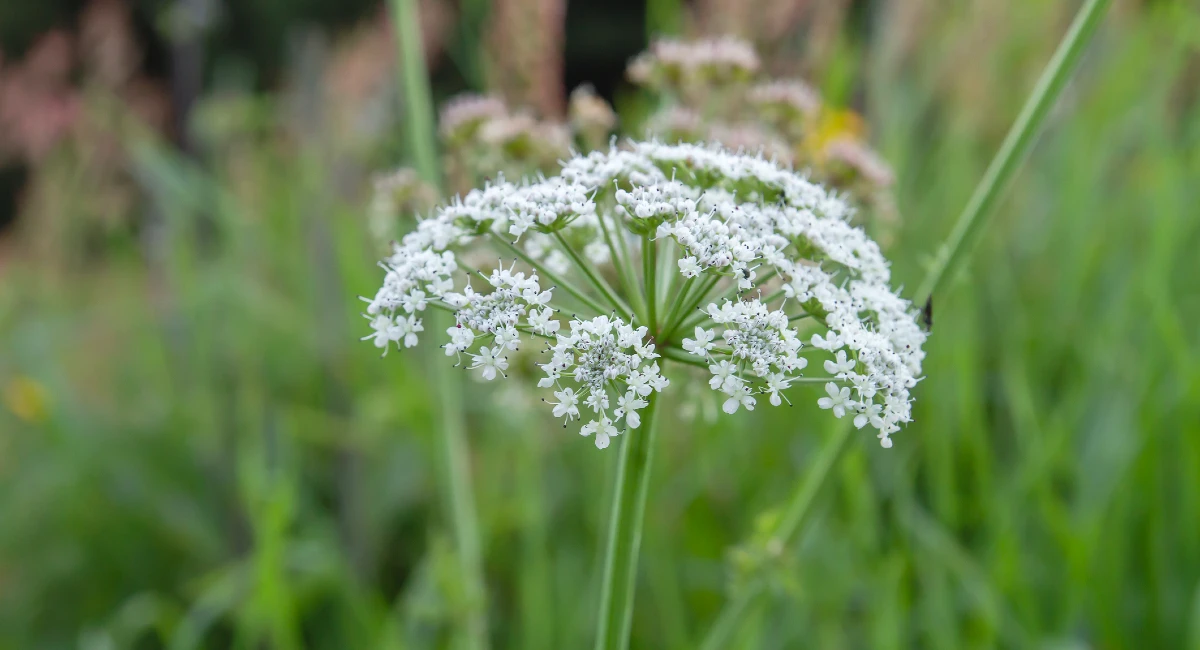
Despite its delicate beauty, poison hemlock is a plant you should never touch. Its fern-like leaves and clusters of small white flowers may seem harmless, but this highly toxic plant poses significant risks to both humans and animals. Always admire this plant from a distance—it’s far more dangerous than it appears.
Choosing the right plants for your office
Take the guesswork out of choosing the right plants for your office. Whether you’re looking for floral arrangements that breathe life into your reception area or a complete interior landscaping project, Ambius’ experts are ready to craft a design that not only looks stunning but is also tailored to your unique space. Contact us today to schedule your consultation!