Moss design: Moss wall benefits for biophilic interior design
Key takeaways
- Popular spaces to install moss walls include reception areas, retail stores, restaurants, and more, for visual impact tailored to branding.
- Preserved moss walls support biophilic design and can make spaces feel more inviting by bringing nature into interior design.
- Benefits of moss walls include that they are low-maintenance, need no irrigation or additional lighting, can absorb sound pollution, and are quick to install.
- Moss walls are highly customizable, with multiple moss types, textures, colors, and design possibilities.
Jump to Section
- Why are moss walls popular?
- How can moss walls support wellness as biophilic interior design?
- What are the moss wall benefits?
- What types of moss are used for moss walls?
- What are the main features of moss walls?
Green walls are more popular than ever, and walls across America are looking all the better for it thanks to the ongoing architect and designer-led interest in plants and biophilic design for modern spaces. From the established green wall trend has emerged another equally stunning option. One that’s changing the visual dynamics and design potential of commercial spaces: Enter the moss wall.
Why are moss walls popular?
Moss walls are popular as one of the most versatile and compelling design elements to emerge on the interior design market in some time. Choosing moss design as a living wall alternative gives you all of the splendor of a living green wall or vertical garden, but you are free from the same irrigation and lighting requirements that are essential to healthy living green walls.
What moss designs are available?
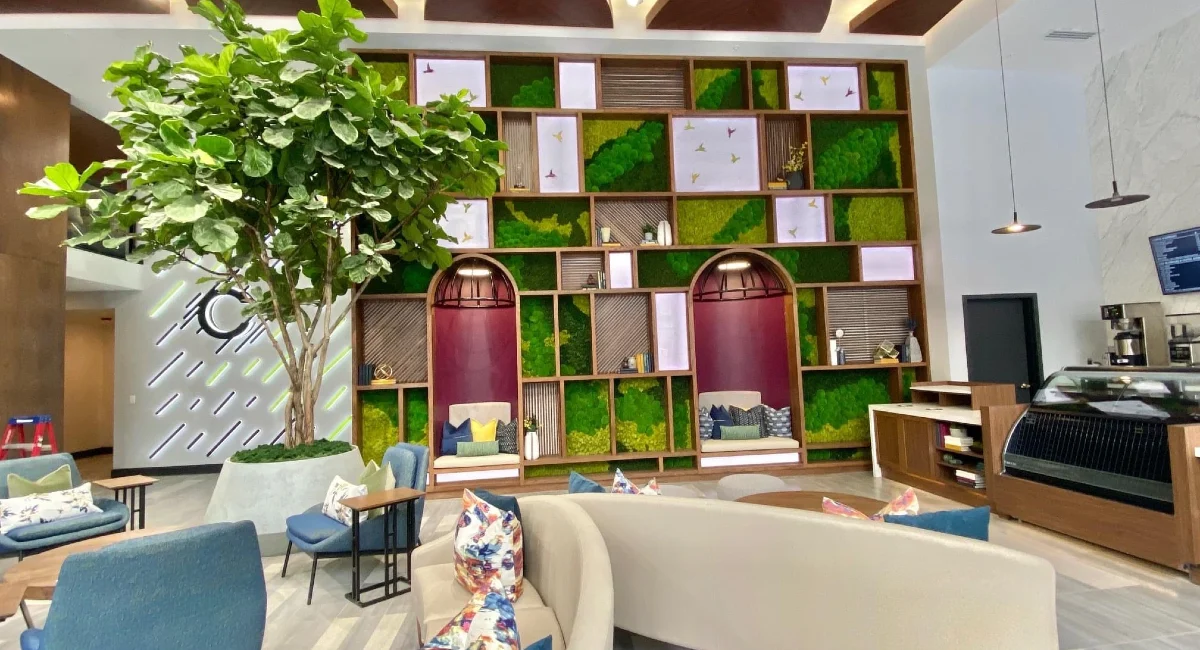
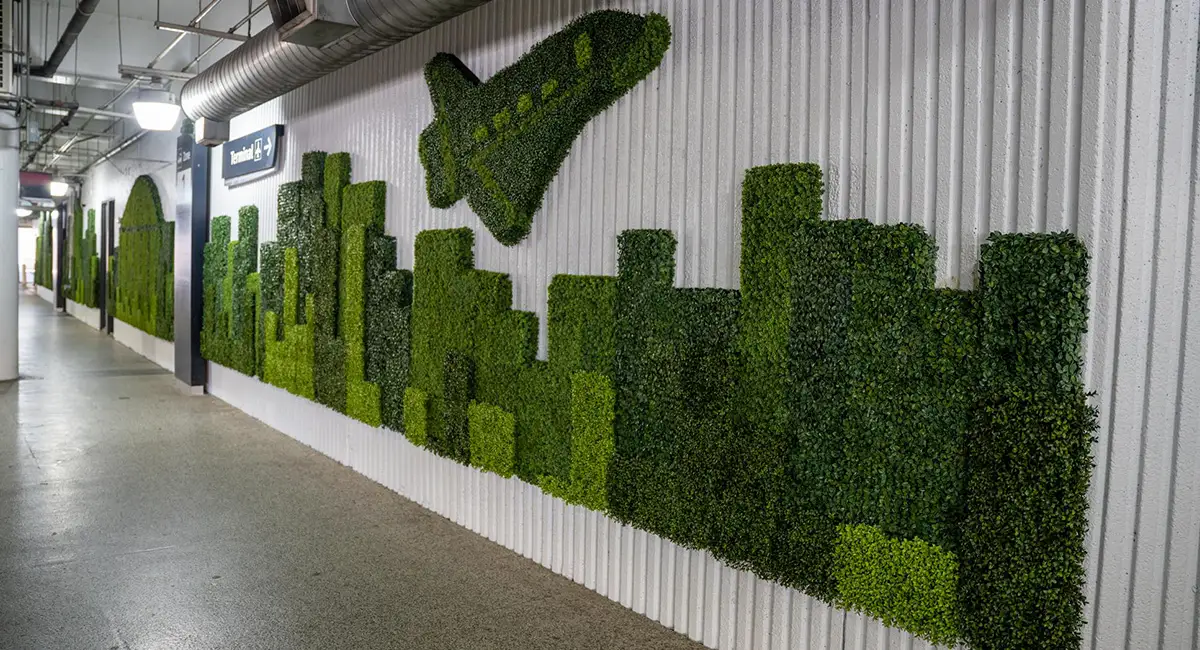
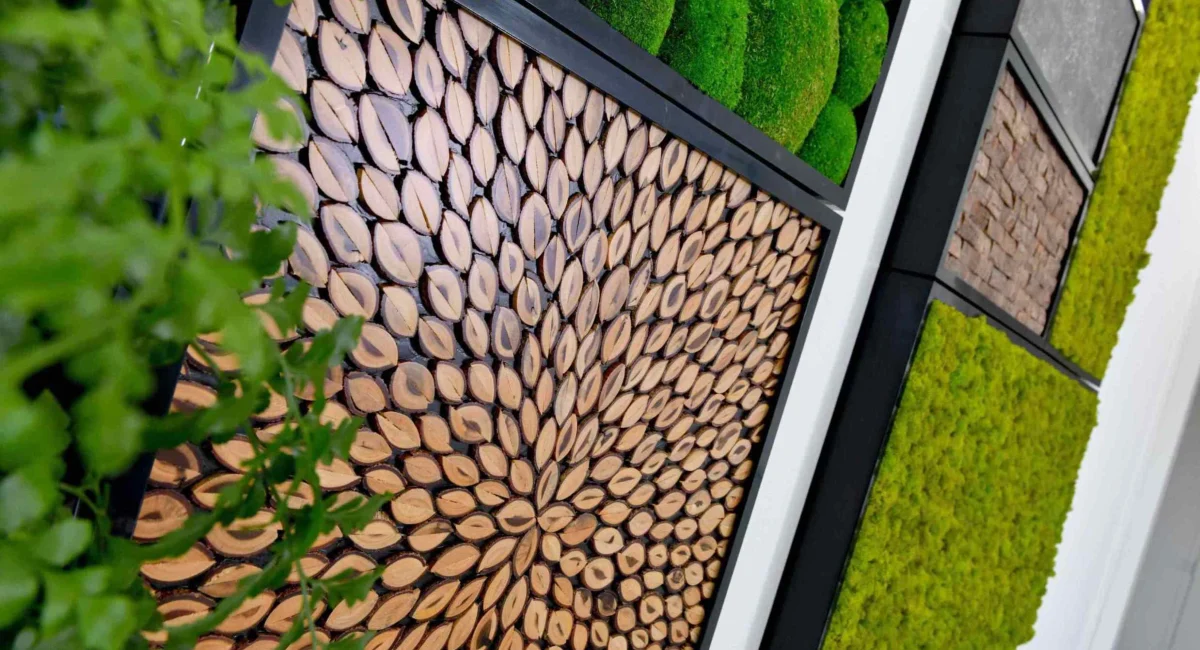
Moss walls offer virtually endless design possibilities. Designers can combine different moss varieties, shapes, textures, and colors to create custom patterns, logos, artwork, or organic layouts. Moss walls can essentially function in nearly any way that you can imagine, and can even be outfitted with wood, stone, succulents, and more to create a truly inspired look and feel.
Are moss walls low maintenance?
Moss walls are a low-maintenance biophilic interior design that makes a big visual impact and require little ongoing care. With moss being so low-maintenance, there’s more freedom for design-led projects that take full advantage of moss’s versatility in color, form, style, and texture. Ambius designers can help cultivate a specific experience, mood, pattern, or sense of distinctiveness in virtually any space with moss wall designs.
“Moss walls can be created in several different design themes such as modern and contemporary. This includes monochromatic colors with just the texture of one or multiple mosses,” says Laura Burns-Lambert, one of Ambius’ premier design experts. “Another example is Urban Industrial design, which includes interesting textural items such as wood, metal, or tillandsias. Really, the best part about moss walls is that they can be customized to fit any size, shape, or experience.”
How can moss walls support wellness as biophilic interior design?
Moss walls support wellness as biophilic interior design by bringing the calming appearance of nature indoors, helping create spaces that feel more welcoming, restorative, and people-centered. This trend towards greenery and natural elements, like moss walls, in interior design continues to grow as businesses and institutions prioritize employee, guest, and customer well-being. Wellness and brand-conscious design have become more essential than ever as people’s desire for natural and authentic experiences inside and out has become more pronounced. Moss is helping businesses bridge the gap and meet the design needs that people are increasingly requesting.
This has helped push the biophilic design movement more and more into the spotlight as the public becomes more familiar and appreciative of how the design elements benefit not only their health, but their happiness and productivity at work – benefits of which executives, human resource professionals, and change management experts are growing to appreciate as well.
What are the moss wall benefits?
Moss wall benefits for businesses and commercial interior spaces include:
- Endless design possibilities
- Long lasting impact
- No additional lighting needed
- No irrigation needed
- Low maintenance
- Absorbs sound pollution
- Promotes well-being
- Sustainable design choice
What types of moss are used for moss walls?
Several species of moss can be used in moss walls, and the best choice depends on your design goals, business needs, and aesthetic. Species of moss used in moss walls include:
- Sheet moss
- Reindeer moss
- Pillow moss
- Mood moss
- Fern moss
What are the main features of moss walls?
The main “need to know” features of moss walls and moss design include:
- Moss walls can come in nearly any size or shape due to the versatility of moss
- Moss walls or panels have a nearly limitless design potential
- Items such as wood, metal, succulents, and ferns are commonly added to moss walls
- The moss used is not “alive,” but rather is preserved for design use
- Moss walls are great for branding initiatives in places like reception areas, retail stores, restaurants, and pop-up events
- These walls are the most economical green walls options on the market right now
- Moss walls are low maintenance, not no maintenance. Preserved moss needs no water or sunlight, but dust will naturally settle on its fibers over time. Our quarterly service plan handles all the delicate dusting and air-clearing to protect your investment and keep your wall looking brand new.
Want to find out more about how moss walls can benefit your property? We encourage you to check out our Ultimate Guide to Living Green Walls, a definitive guide curated for any business or designer.
*Roel Ventura and Laura Burns-Lambert, Ambius expert designers, contributed to this article.