How Can Office Plants Support Workplace Wellness During the Winter Months?
Article Summary
- Shorter days, drier indoor air, and sealed windows take a measurable toll on employee energy, focus, and mood each winter.
- Office plants counter these seasonal effects by improving perceived air quality, softening harsh indoor environments, and adding a sense of calm to the workplace.
- Independent research links workplace greenery to measurable gains in employee concentration, satisfaction, and productivity.
- The right plant selection and placement strategy matter more in winter, when light and humidity conditions shift indoors.
- A well-designed, professionally maintained plantscape signals that a company invests in the spaces where employees and visitors spend their days.
Winter changes how people experience the workplace, and it's exactly the season when office plants earn their keep. Daylight shrinks, heating systems dry out the air, and the outdoors, normally a source of relief during the workday, becomes far less inviting. It's no coincidence that many teams report feeling sluggish and less focused during these months.
Office plants offer a simple, proven way to counter that seasonal dip, bringing a piece of the natural world indoors precisely when employees need it most.
What is the easiest way to bring winter wellness benefits into an office?
Installing a professionally designed and maintained interior plantscape is the fastest way to offset winter's toll on air quality, mood, and energy. Office plants require no behavior change from employees, work continuously in the background, and are backed by research linking greenery to measurable gains in productivity, satisfaction, and workplace well-being.
Why Does Winter Make Workplace Wellness Harder?
Reduced natural light and closed windows mean employees spend more consecutive hours in artificial, climate-controlled air with higher concentrations of airborne particulates. These conditions can magnify an uninspired design within the indoor visual environment, leading to notable drops in productivity or performance.
The U.S. Environmental Protection Agency notes that commercial indoor air quality drops significantly during colder months when ventilation is limited, and buildings are sealed against the cold. The stakes are real: Ambius's own research found that almost half of U.S. workers have taken a sick day because their office's air quality made them ill.
None of this happens dramatically, but it accumulates. By January or February, many organizations may notice it in absenteeism, disengagement, or a general drop in morale, often attributing the dip to flu season or holiday burnout without recognizing how much the physical environment itself contributes.
How Do Office Plants Address These Winter Challenges?
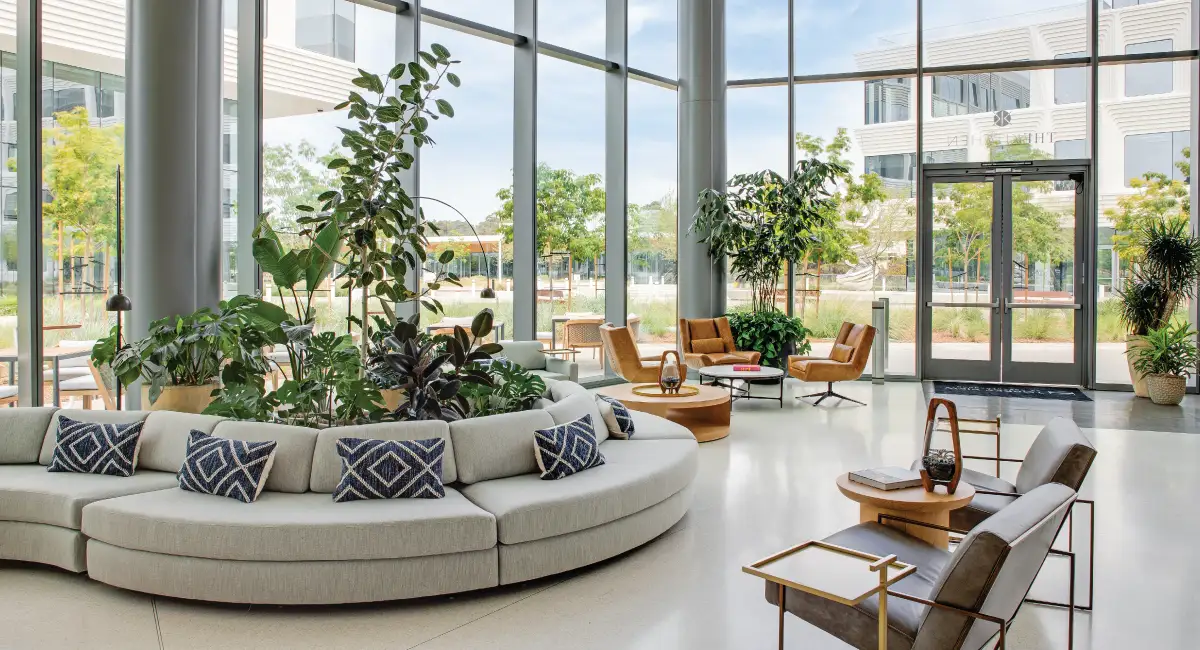
Live plants directly counter winter's toll on air quality, light exposure, moisture levels, and employee stress:
- Air quality. Plants can help offset the dry, recirculated air common in winter offices, and some varieties are particularly effective at improving perceived indoor air conditions.
- Visual relief. Greenery introduces natural color and texture into spaces that otherwise lean heavily on artificial light and hard surfaces during the darker months.
- Perceived calm. Employees consistently associate greenery with lower stress and a greater sense of well-being—an effect that becomes more noticeable when the outdoors is less accessible.
- A sense of care. A well-maintained plantscape tells employees and visitors that the organization values day-to-day experience, not just its output.
- Acoustic softening. Larger plant displays can help absorb sound in open floor plans, which matters more in winter when windows stay shut, and background noise has nowhere to go.
These aren't abstract benefits. They show up in how a space feels the moment someone walks into it on a gray February morning.
Envestnet's Philadelphia office is a good example. What began as a single green wall in one office grew into five installations, including the main lobby, after employees and guests responded so strongly to the first one that the company kept expanding the program.
What Does the Research Say About Plants and Workplace Performance?
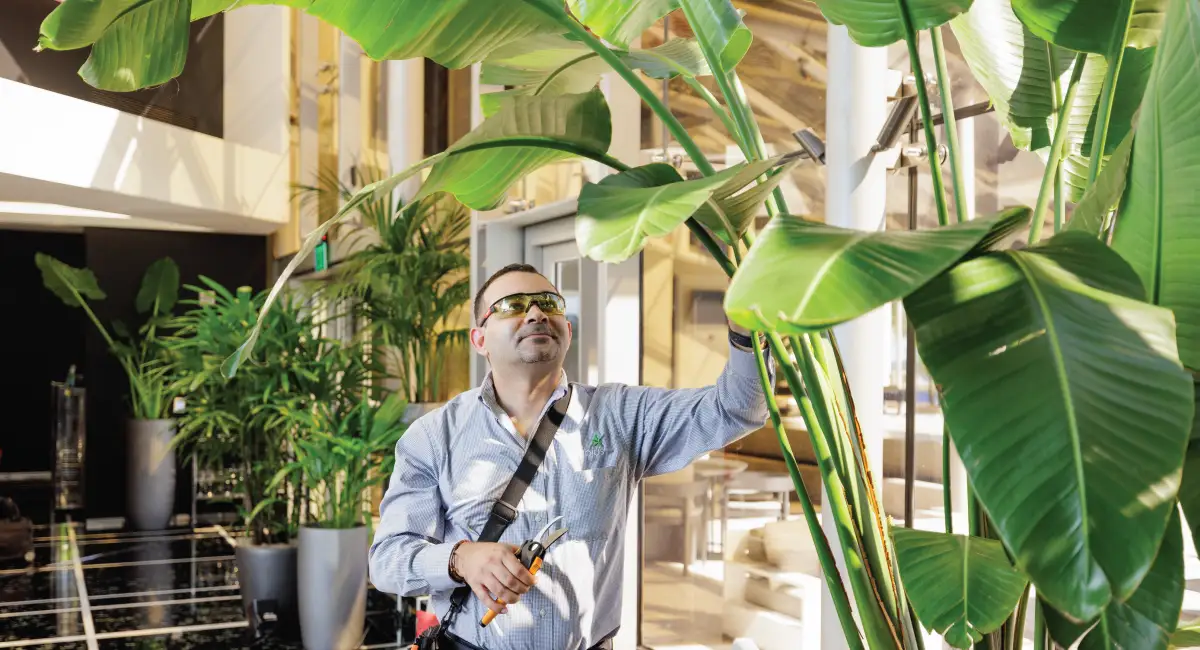
The research is clear: office plants measurably improve productivity, satisfaction, and engagement. A multi-university study from Cardiff, Exeter, Queensland, and Groningen found that adding plants to "lean," or stripped-down, offices increased productivity by 15% and lifted workplace satisfaction by 40%. Researchers attributed the gains to a sense of psychological ownership: greenery signals that a space has been cared for, and employees respond by feeling more invested in it themselves, rather than treating it as just somewhere they pass through to get work done.
Ambius's own research echoes this. In a survey of 1,000 office workers across the US and UK, 90% said their office's layout and design — including natural elements like plants — was a major factor in whether they were happy at work. That connection matters more, not less, during a season when your employees already have fewer natural reasons to feel engaged with their surroundings.
What Does a Winter-Ready Plantscape Look Like?
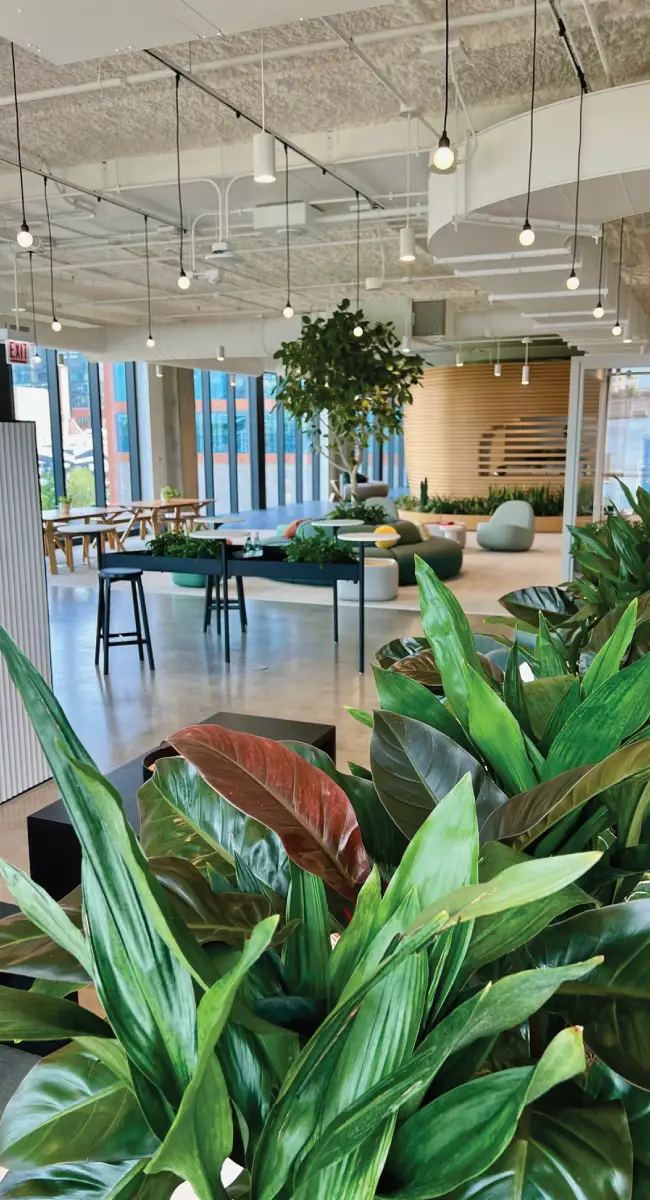
A winter-ready plantscape uses plant selection and placement built around the season's specific demands: available light, HVAC patterns, foot traffic, and the goals of the space — whether that's a calming reception area, a focused workstation zone, or a larger installation meant to anchor a lobby.
A few factors shift specifically in winter and are worth planning around: light levels drop as days shorten and sun angles lower, forced-air heating pulls moisture out of the air faster than most plants can tolerate without a maintenance plan built around it, and entryway traffic patterns change as coats, bags, and closed doors affect airflow around plant displays.
This is where design and maintenance expertise matter: the wrong plant in the wrong spot can struggle through winter, while the right one thrives and keeps delivering results month after month.
A structured commercial plant maintenance program helps protect that investment before problems—wilting, pests, seasonal stress—have a chance to show up, rather than just reacting to them after employees have already noticed.
How Have Real Workplaces Put This Into Practice?
Organizations that treat their interior environment as seriously as their exterior curb appeal tend to see the clearest results.
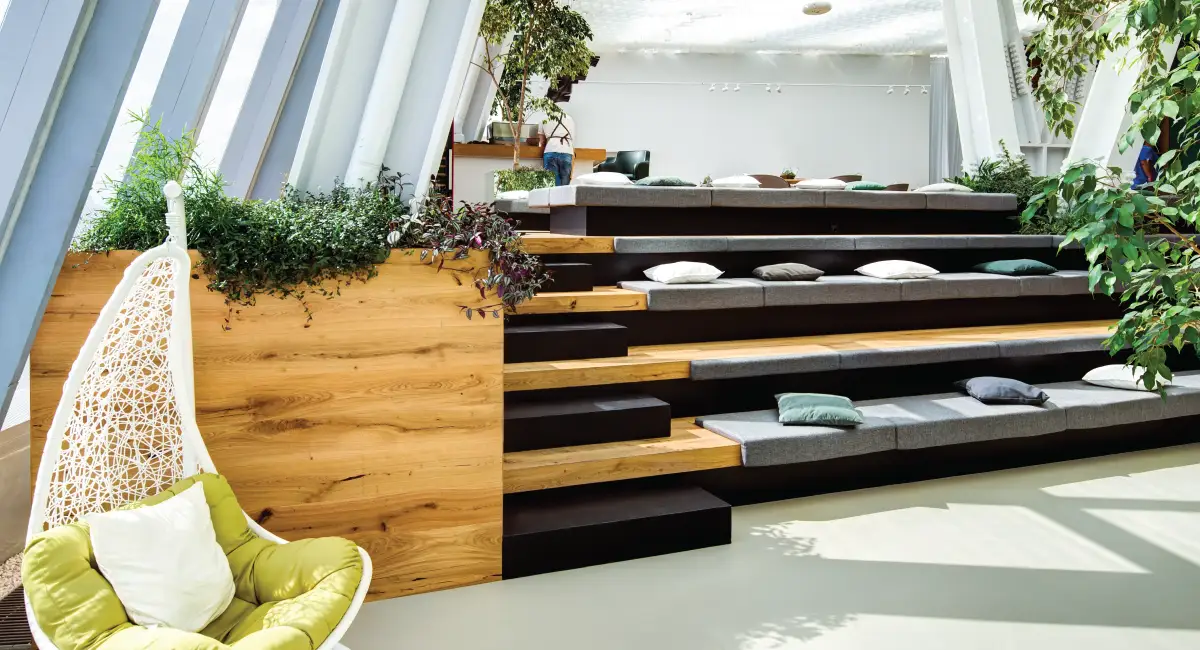
Large-scale installations in corporate headquarters, hospitality lobbies, and healthcare facilities have shown that thoughtfully placed greenery does more than decorate a space. It shapes how people feel while they're in it, throughout the entire year, including the months when it matters most.
Hospitality properties, in particular, have leaned into this for winter specifically. At the Westin Hotel Brier Creek, Ambius designed five moss wall panels built directly into the wood millwork of the main lobby — a display that keeps the space feeling warm, textured, and alive year-round, with none of the light or humidity demands a live installation would carry through winter. It's the same principle that applies to a corporate reception area or a healthcare waiting room: a strong first impression matters most exactly when the weather outside is working against you.
Frequently Asked Questions About Office Plants and Winter Wellness
Do office plants need different care in the winter? Yes. Lower light and drier air from HVAC systems mean many plants need adjusted watering schedules and, in some cases, seasonal relocation to stay healthy.
How many plants does an office need to see a difference? Research on this topic has found that even a modest amount of greenery can produce a noticeable shift in how a space feels and how engaged guests and employees are with it.
Can artificial plants provide the same winter wellness benefits as live ones? Artificial and preserved plants can still offer the visual and psychological lift of greenery, especially in low-light spots where live plants would struggle through winter. They won't match the air-quality benefits of live plants, but they're a practical option for the darkest corners of a building.
Ready for a Winter-Ready Plantscape?
Workplace wellness doesn't pause for winter, and neither should the environment employees walk into every day.
Ambius designs and maintains interior plantscapes for organizations that want their spaces to support the people actively in them, not just look presentable. From single installations to large-scale, multi-location programs, our teams handle the design, installation, and ongoing care so the results hold up through every season.
Contact Ambius to talk through what a winter-ready plantscape design could look like for your business.
Key Takeaways
- Winter conditions, such as reduced daylight, drier air, and more time spent indoors, can compound, affecting employee energy and focus.
- Office plants directly counter several of these effects, including perceived air quality, stress reduction, and acoustic softening.
- Independent research from institutions like the University of Exeter links office greenery to measurable gains in satisfaction and productivity.
- Winter shifts in light, humidity, and traffic patterns mean plant selection and placement should be revisited seasonally, not set once and forgotten.
- A professionally maintained plantscape reflects an organization's investment in the people who use its space every day.